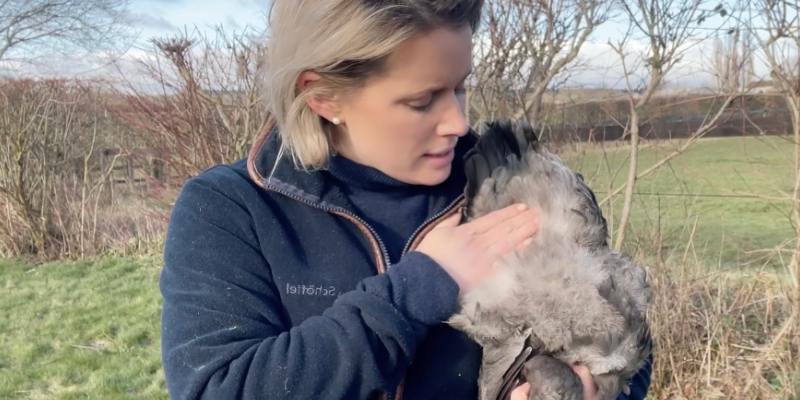
Checking your flock for parasites is one of the most important parts of poultry care. Red mites and lice are the two most common pests on backyard chickens, and catching them early keeps your hens healthy and comfortable. In this guide we'll show you exactly how to check your chickens for red mites and lice — where to look, what they look like, and what to do if you find them.
What are red mites and lice — and why check?
Lice and red mites are common external parasites that can infest chickens, causing discomfort, stress, reduced laying and even health problems if left unchecked. The key difference: lice live on the bird full-time, while red mites hide in the coop during the day and crawl onto your hens at night to feed. That's why regular checks — of both the bird and the coop — help you spot a problem early and act before it spreads.
Aim to check your flock at least every couple of weeks, and more often in warm weather when red mites multiply fastest.
Step 1: Secure your hen
To begin, hold your hen securely but gently — a calm, firm grip keeps her relaxed:
- Take both of your hen's feet in one hand.
- Slide your free arm underneath her, securing her against your side.
- This leaves one hand free to examine her while she feels safe and supported.
Watch this short video where Sabina shows you hands-on how to hold a chicken.
Step 2: Examine the vent area
With your hen secured, start at the vent — the area near the base of the tail feathers. It's warm, sheltered and a prime spot for both lice and red mites, so it's the best place to begin.

Step 3: Inspect for lice
- Gently part the feathers around the vent.
- Hold them apart for a few seconds and watch for movement — lice are pale and you'll often see them scurrying away from the light.
- Look at the skin and the base of the feathers. Lice infestations often show up as white or cream crusts (egg clusters) at the feather base.

Step 4: Search for red mites
Checking for red mites is similar:
- Part the feathers around the vent area.
- Look for very tiny black, grey or dark-red dots moving on the skin. After feeding they appear red; when hungry they look greyish.
Because red mites hide in the coop by day, also inspect the coop itself — especially the ends of perches and any cracks and crevices. Run a white tissue along the underside of perches at night: smears of red are a clear sign. Smooth-surfaced, easy-clean coops give red mites far fewer places to hide than traditional timber, which is one reason many keepers move to recycled-plastic coops.

What to do if you find lice or red mites
If you spot parasites during your inspection, act promptly:
- Separate visibly affected birds where practical to reduce spread.
- Deep-clean the coop to remove parasites and eggs. Nestera coops come apart at multiple access points and have smooth plastic surfaces, so they're quick to scrub, rinse and dry — leaving mites nowhere to shelter.
- Choose an appropriate treatment. Speak to your vet or a qualified poultry specialist about the right product for your situation and follow the label instructions carefully.
- Re-check for several weeks. Mite eggs hatch in cycles, so keep monitoring until you're sure the infestation is fully cleared.
How to prevent red mites and lice
Prevention is far easier than treatment. Keep the coop clean and dry, avoid overcrowding, provide a dry dust-bathing area (hens use it to keep parasites down naturally), and inspect regularly. For more, read our guides on 5 tips to avoid red mites and how to recognise red mites and their effects on poultry.
Frequently asked questions
How often should I check my chickens for mites and lice?
At least every two weeks, and weekly in warm summer months when red mites breed rapidly. A quick vent check takes only a minute per bird.
What's the difference between red mites and lice on chickens?
Lice live on the bird permanently and are pale and fast-moving. Red mites live in the coop and only climb onto hens at night to feed, appearing as tiny red or grey dots.
Can red mites make my chickens ill?
A heavy infestation can cause anaemia, stress, drops in laying and restlessness at night. Catching it early and keeping the coop clean prevents most problems — consult your vet if a bird seems unwell.